
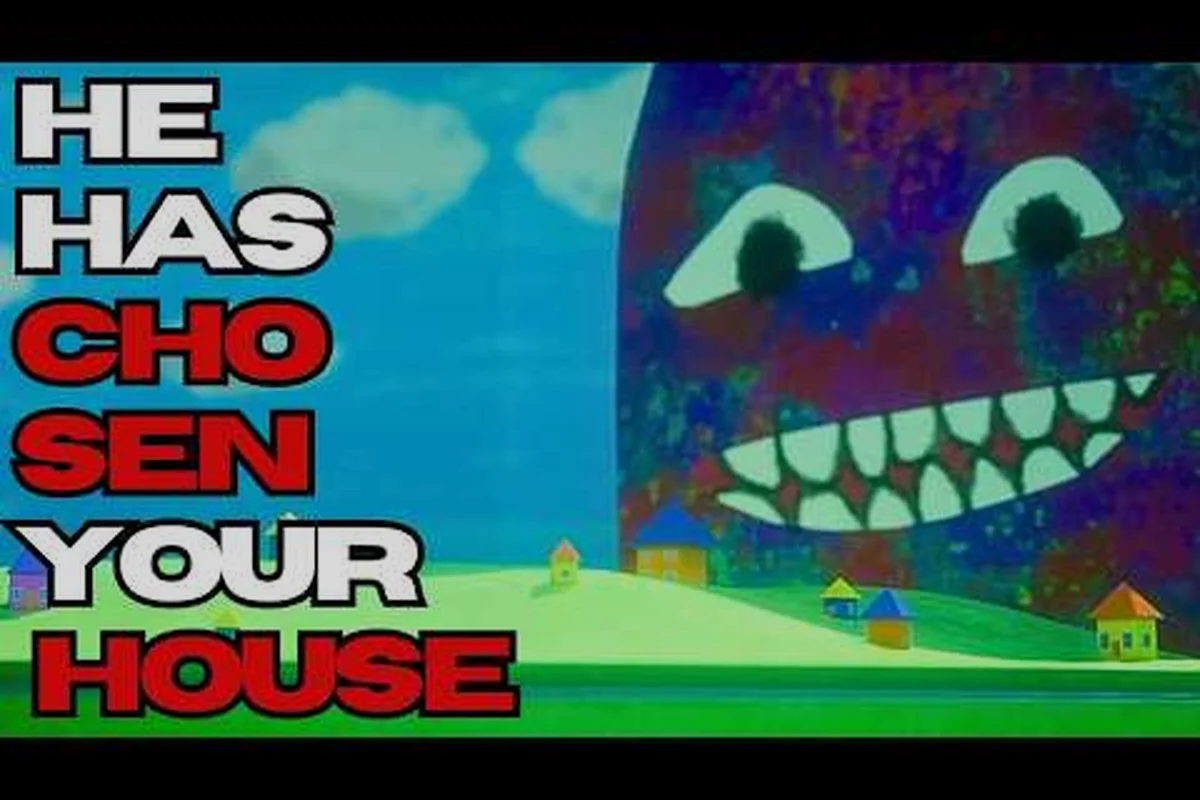
Mapping the Color Fear Timeline from Broadcast to Blood
Color Fear drops players into a children's coloring show that mutates into a nightly survival trial, and the in-universe broadcast sequence is the only reliable way to reconstruct what really happens inside The Color Fun Coloring Show. The Color Fear timeline stitches together Peach's on-air instructions, the randomized house layouts, the cast eliminations, and the warnings that flicker between segments, and every one of those beats maps back to a real-world inspiration. According to the official Color Fear Steam page, the show is staged as an analog horror broadcast, the developer is West View, and the game ships on Windows with single-player runs, Steam Achievements, and partial controller support, all framing details that anchor the lore to a believable production pipeline rather than a one-off creepypasta.
Understanding the timeline matters because the show never tells you the order of events directly. The on-screen color cue, the placement of the television, and the way the cast disappears are all breadcrumbs, and the order in which they fire is the only way to know whether you are watching a rerun, a live broadcast, or the finale.
The Color Fear TV Lore in Broadcast Order
The on-air layer of Color Fear is the most concrete piece of the timeline because the show is structured like a real children's program with cold opens, color-finding missions, and end-of-night wraparounds. Treating the broadcast as a numbered sequence makes the in-universe years fall into place, even when Peach's dialogue intentionally skips around.
Pre-Show: The Pilot Tapes
Before Peach ever welcomes a viewer, the developer has confirmed in community reports from the Steam Next Fest demo that pilot-era tapes establish the show's golden-age tone. The pilot era is where the color symbolism is still safe: each color matches an object in a real house, and the cast is friendly rather than disposable. These tapes are the foundation of the Color Fear TV lore because they establish the contrast that later nights break.
| Broadcast Era | Tone | Cast Status | Color Symbolism |
|---|---|---|---|
| Pilot Tapes | Warm, educational | Friendly, intact | Colors map to real household objects |
| Mid-Run Broadcast | Cheerful but strained | One elimination per night | Colors begin to feel forced |
| Late-Night Broadcast | Glitch-heavy, ominous | Rapid eliminations | Colors map to threats, not objects |
| Final Broadcast | Silent or static | Peach alone or missing | Colors lose meaning entirely |
Live Nights: The Color Rotation
Once the show goes live, each night in Color Fear rotates through a single color, and that color determines the room layout, the intruders you face, and the audio cues you can trust. Community playthroughs of the demo confirm that red nights trigger aggressive intruders, while blue nights push the environment into a slower but more disorienting pattern. The rotation is the spine of the Color Fear timeline, because every other event, including cast exits and the warning message, is scheduled around it.
Inspirations the Color Fear Timeline Is Based On
The lore does not invent its structure from scratch. The Color Fear timeline pulls from a documented set of analog horror and children's-TV inspirations, and recognizing those references is the fastest way to decode a new night.
Children's Programming of the 1990s
The Color Fun Coloring Show borrows the cadence, wardrobe, and catchphrase style of 1990s public-access children's programs, the kind where a single host walks a small set and asks viewers to find objects at home. The cheerfulness is the point, because every later horror beat lands harder when the opening feels genuinely safe. According to the Color Fear official trailer on YouTube, that warm tone is the surface the developer wants players to miss when the broadcasts start glitching.
Analog Horror Conventions
The deeper structure is pulled from established analog horror: a friendly surface, a corruption arc, and a hidden operator behind the camera. Color Fear fits that pattern almost beat for beat, with Peach playing the host whose warmth slowly reads as complicity, and the broadcast itself behaving like a tape that is being edited in real time. References to the format show up in how nights restart, how credits roll at unusual times, and how the warning message is delivered in a tone that breaks the fourth wall without ever admitting it.
| Inspiration | Where It Shows Up in Color Fear | Player-Visible Cue |
|---|---|---|
| 1990s kids' TV | Peach's wardrobe, set design, catchphrases | Opening segment of each night |
| Analog horror | Broadcast corruption, fourth-wall warnings | Static frames between color cues |
| Found-footage games | Randomized house, TV placement | Camera angle and room generation |
| Reality TV elimination | One cast member per night | Post-color wraparound segment |
References Hidden Inside the Broadcast
Beyond the headline inspirations, the Color Fear timeline hides smaller references that reward repeat viewers. These are the kind of details that surface only when a player compares two runs side by side, and they tend to line up with the late-night era of the broadcast.
Object-Level References
Some references are baked into the house itself. Community players have reported that the toy on Peach's desk changes between nights, that the window behind her shows a different season, and that the couch cushion patterns correspond to the cast member who is about to be eliminated. None of these are spelled out in dialogue, so they read as environmental storytelling rather than scripted callbacks.
Audio-Level References
Other references are audio-only. The jingle that plays during the color-finding segment is a slowed-down version of the show's closing theme, and the warning message is delivered in a voice that community datamines suggest is processed to mimic a different speaker. Players who record and compare the audio across nights can map the changes back to specific cast eliminations, which is one of the more reliable ways to confirm where they are on the Color Fear timeline.
Whether Color Fear Works as a Metaphor
The most common community question is whether the show is a metaphor, and the broadcast structure gives enough evidence to support a layered reading without overclaiming a single answer. According to developer statements collected on the West View X/Twitter profile, the team intentionally left the ending open so players can build their own interpretation, which means the metaphor is a feature rather than a bug.
The Spectator Reading
Under a spectator reading, the show is a metaphor for passive media consumption. Viewers tune in, follow the color cues, and never ask why the cast shrinks, which mirrors how audiences consume content without questioning the cost of production. The randomized house reinforces that reading because each viewer gets a slightly different version of the same broadcast, suggesting the show adapts to whoever is watching.
The Production Reading
Under a production reading, Peach is the operator rather than the host, and the Color Fear timeline reads as a record of how a children's show was repurposed into a survival format. The cast eliminations, the warning message, and the color rotation all read as production decisions rather than supernatural events, and the show works as a metaphor for media that is staged, edited, and broadcast regardless of what actually happens behind the camera.
| Reading | What the Timeline Shows | What the Player Should Watch For |
|---|---|---|
| Spectator | Passive viewing enables harm | Cast reactions, viewer-count cues |
| Production | The show is manufactured | Peach's control, set changes |
| Survival | The house is the real antagonist | Randomized layouts, intruder patterns |
Reading the Color Fear Timeline Against the Lore
To cross-check any theory, the timeline should be read alongside the broader lore, and players who want a deeper narrative breakdown can compare notes with the Color Fear story explained guide to see how the broadcast order lines up with the in-game day cycle. The two sources tend to agree on the pilot-to-finale arc, but they disagree on which night marks the point of no return, and that disagreement is itself useful lore data.
Where the Lore and the Broadcast Disagree
In some playthroughs, the lore claims Peach was always in control, while the broadcast implies she is a late addition who replaced an earlier host. Community playthroughs document both readings, and the safest approach is to treat the disagreement as part of the design rather than a continuity error.
Frequently Asked Questions
Is there an official Color Fear timeline released by the developer?
No, the developer has not published a numbered timeline. Players reconstruct the order from Peach's dialogue, the color rotation per night, and the cast eliminations across runs, then compare notes in community threads. The Color Fear lore guide collects the most consistent readings.
What is the Color Fear TV lore actually about?
The Color Fear TV lore is the in-universe broadcast of The Color Fun Coloring Show, a children's program that gradually becomes a survival trial. Each night rotates a color, the house randomizes, and the cast shrinks one member at a time, all under Peach's cheerful instructions.
What real-world inspirations is Color Fear based on?
Color Fear is based on 1990s public-access children's programming for the surface tone, and on established analog horror conventions for the broadcast corruption, the warning message, and the hidden operator. Found-footage structure also drives the randomized house and the TV placement.
Are the references in Color Fear intentional?
Most are intentional. Community datamines of the audio and the set dressing confirm that the jingle, the toy on Peach's desk, and the window season all change in patterns that line up with cast eliminations, which supports a deliberate reference design rather than random generation.
Is Color Fear a metaphor, or is it a literal survival story?
It works as both. The literal layer is the randomized house and the intruder patterns, while the metaphor layer reads as a commentary on staged media, passive viewership, or production control. The developer has confirmed the ending is intentionally open, so the metaphor reading is supported by design.