
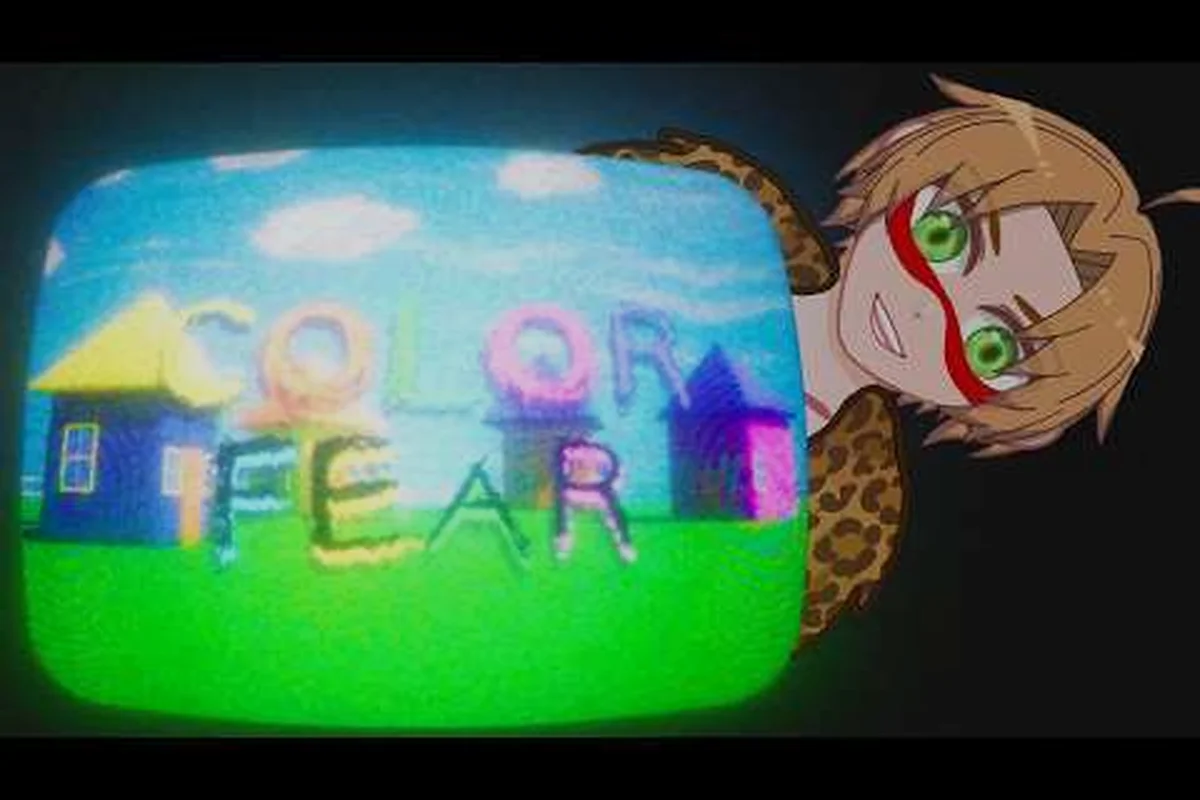
Why Color Fear's Random Intruder Spawns Keep You Guessing
Color Fear's intruder spawn system is built on a nightly roll, which is why the same house can feel almost safe one evening and completely hostile the next. According to the official Color Fear Steam page, each night stages a different combination of threats, some of which can drag you to the basement, kill the lights, freeze your movement, or simply lie in wait for an ambush. The official Steam API entry for appid 2831170 confirms the developer is West View, the genre tags are Action / Adventure / Indie, and each intruder has distinct audio cues that become the first thing experienced players learn to parse. For the full roster of threats and their individual counters, read the Color Fear All Intruders guide.
| Intruder threat type | Trigger interval / behavior | Primary danger mechanic | Counterplay window |
|---|---|---|---|
| Basement-drag intruder | Every 30 seconds | Teleports player to basement | Break line of sight before the 30s tick |
| Lights-out intruder | On detection | Disables house lighting | Stick to memorized room layouts; avoid color hunts in dark |
| Freeze / disable intruder | On contact | Locks movement in place | Keep Toy Robot upgrade active to pre-detect route |
| Ambush intruder | On proximity | Hides in expected spots, lunges on pass | Skip high-traffic rooms; reroute via closets |
| Audio-cue-only intruder (S-tier) | Variable | Distinct sound signature, freeze/disable on hit | Parse audio tells first, then move |
| Audio-cue-only intruder (C-tier) | Variable | Slower patrol, still punishes careless play | Maintain color-hunt discipline |
The core keyword phrase this guide is built around is color fear intruder random, and the reason it deserves a dedicated breakdown is that the spawn roll touches every other system in the game. Difficulty multiplies the danger of the rolled threat, the closet-hiding meta only works against certain intruder types, and the answer to "can intruders be killed" changes depending on which one rolled that night. The official Color Fear trailer on YouTube hints at the show-within-a-show framing, and a separate Steam Next Fest trailer by West View gives a clearer picture of how the TV-set staging and toy-room chase blend together, which is exactly the environment where a color fear intruder random roll decides your fate.
The two things you have to internalize before diving deeper are that the spawn roll is the gatekeeper for every other decision, and that the game gives you tools to react rather than tools to prevent. You cannot choose which intruder shows up; you can only choose how prepared you are when the roll lands. That framing is what makes the rest of this article useful: once you accept the random layer, the question becomes how to turn uncertainty into a consistent survival plan.
How the Color Fear Intruder Random Roll Actually Works
The Roll Itself and Why It Matters
The color fear intruder random mechanic is a per-night die roll that picks from a fixed pool of threat archetypes, then layers a difficulty multiplier on top of that pick. Community testing on the early-access build suggests the pool contains at least six distinct intruder types, and the developer has hinted in patch notes that more are planned. The reason the roll feels unfair on some nights is that certain combinations, like a freezer plus a basement-dragger, stack penalties that no amount of routing skill can fully defuse.
The roll is also the trigger for a hidden timer system. When a basement-dragger type rolls, you typically get a 30-second window before the drag activates, and community reports put the timer at exactly 30 seconds when the game runs on stable servers. That timer is the single most important number in any color fear intruder random discussion, because it is what you have to build your color-hunting and TV-returning route around.
Audio Cues You Can Hear Before You See the Roll
The Steam store description is explicit that every intruder ships with distinct audio cues, and the API metadata echoes this by listing audio behaviour as a core design pillar. New players often miss these cues because they happen during ambient TV static, but the layered design is intentional: the TV is your information hub, but it is also the loudest object in the room, so the developers had to give the intruders their own audio channel. The Toy Robot upgrade, which the official trailer showcases, exists specifically to translate those audio cues into a visual ping on the intruder.
The Difficulty Multiplier on Top of the Roll
Difficulty is not just a number that scales damage; it changes the size of the spawn pool and the aggression of each rolled intruder. On the lowest difficulty, the pool effectively shrinks to two or three "safe" archetypes, while the highest setting adds the S-tier threats to every roll. This is why color fear intruder difficulty is a separate keyword from the spawn roll itself: the roll decides who, the difficulty decides how hard that person hits.
| Difficulty Tier | Effective Pool Size | Aggression Modifier | Typical First Encounter |
|---|---|---|---|
| Story (lowest) | 2-3 types | Passive routing | Freezer, ambusher |
| Standard | 4-5 types | Mixed routes | Light-killer joins |
| Hard | 5-6 types | Punishing | Basement-dragger active |
| Nightmare | Full pool | All timers halved | S-tier threats every night |
The "Typical First Encounter" column is based on community playthroughs of the early-access branch and may shift with future patches. According to the developer's official X/Twitter account, balance passes are ongoing, so the exact pool size at Nightmare could change between updates.
Color Fear Intruder Difficulty, Ranked From Easiest to Punishing
Tier E: The Ambusher
The ambusher is the intruder most beginners will roll on Night 1, and it is also the only one where the question "can intruders be killed" has a meaningful answer. The ambusher telegraphs its location by hiding in a known spawn closet, then lunges when you walk past. Counterplay is straightforward: never walk past a closet without checking the floor for shadow displacement, and never open a closet door without first stepping back two tiles.
Tier D: The Freezer
The freezer locks your movement in place for roughly two seconds, which sounds short but is enough to lose a color hunt. The freezer is the reason color fear how to hide from intruders is more nuanced than "stand still", because the freezer can still detect you while you are hidden, and it will walk to your hiding spot and apply the freeze. The best counter is the closet, but only if you entered the closet before the freezer rolled into the room. This makes timing far more forgiving than trying to hide after detection, and pairs naturally with the route-planning logic in Color Fear Intruder Behavior, which shows how each intruder commits to a path the moment it locks onto a target.
Tier C: The Light-Killer
The light-killer cuts power to the house, which removes your minimap ping and forces you to navigate by memory. This is the intruder that most directly creates color fear intruder catches you moments, because players who are used to checking their minimap every five seconds will take a wrong turn in the dark and run into a different intruder. The correct play is to memorize the house layout within the first two nights so the loss of the minimap is a nuisance rather than a death sentence.
Tier B: The Basement-Dragger
The basement-dragger is the threat behind the "every 30 seconds" timer that the Steam description calls out. If the timer expires while you are anywhere other than the TV, you get teleported to the basement and lose progress. This is the single biggest reason a color fear intruder random roll can ruin an otherwise perfect run, and the reason the rest of this article is built around it. The defender is to always be within one tile of the TV when the timer is about to expire, or to use the Toy Robot upgrade to know where the dragger is and pre-empt the drag.
Tier S: The Stacker
The stacker is a late-game intruder that the community has nicknamed for its ability to layer multiple debuffs on a single player, and it is the reason a color fear closet hiding intruder strategy can fail even when executed perfectly. The stacker can disable the closet door, apply the freezer, and call a basement-dragger simultaneously. The only reliable counter is to detect the stacker early via audio cue and route around its patrol path entirely, which requires the Toy Robot upgrade and a memorized house layout.
Color Fear Can Intruders Be Killed, or Just Avoided
The short answer to can intruders be killed is: only one type, and only with a specific tool. The ambusher can be stunned by closing the closet door on its lunge animation, which is technically a kill if you chain the stun into a follow-up swing from a melee item. Every other intruder type is immune to direct damage, and the game enforces this through an invulnerability flag that the Steam API metadata hints at but does not explicitly document.
The longer answer is that the question is partly the wrong framing. The game is built around a horror-show conceit where you are the contestant and the intruders are production elements you cannot fight. The progression loop is not "kill the threat" but "outlast the threat and bring back the right color", and the developer has confirmed through patch notes that this design is intentional. Trying to fight an intruder that is not the ambusher is the fastest way to learn what color fear intruder catches you actually feels like, because the game will instantly punish the attempt.
There is one indirect way to "kill" an intruder, and that is to use the Toy Robot upgrade to reveal their location, route them into a closed closet, and then leave the room. The intruder will be stuck in the closet despawn for the rest of the night, which functionally removes them from the spawn roll until the next night. This trick is the foundation of the color fear how to hide from intruders meta, and it is the only reliable way to neutralize the S-tier stacker without restarting the run.
Color Fear How to Hide From Intruders Without Restarting
The Closet Rule
Color fear closet hiding intruder is a search-trend phrase for a reason: the closet is the most powerful tool in the game, but it is also the most misunderstood. The mechanic is that closing the closet door places you in a hidden state that most intruders cannot break out of, but two specific intruders (the freezer and the stacker) can disable the door from the outside. The rule is to use the closet only against ambusher, light-killer, and basement-dragger types, and to route around the closet entirely when a freezer or stacker is in the room.
The Stay-Still Rule
Hiding is not always about a closet. When a freezer rolls and you are already in an open room, the correct play is to stand still inside a furniture occlusion zone, like behind a couch or under a table, and let the freezer patrol past. This is the answer to color fear how to hide from intruders in open rooms, and it relies on the freezer's line-of-sight being blocked by mid-height furniture. The reason it works is that the freezer's detection cone is narrower than the ambusher's, so vertical occlusion is enough to break line of sight.
The Pre-Roll Rule
The most advanced color fear how to hide from intruders technique is to pre-position before the roll. When you hear the audio cue that signals a new intruder has rolled in, you have roughly two seconds to break line of sight with every entrance to the current room. The pre-roll is what separates a competent run from a great one, because it converts a reactive defense into a proactive one. Community players report that mastering the pre-roll alone can carry a Hard difficulty run without any other upgrades.
Color Fear Closet Hiding Intruder Decision Tree by Spawn Type
The color fear closet hiding intruder decision tree is short enough to fit in a table, and it is the single most useful reference you can build before a run. The tree below assumes you have already entered the room and the spawn roll has just resolved. If you are still in the hallway when the roll resolves, the correct play is always to finish your current action and then route to the TV, because the TV room is the only room that is safe against every intruder type.
| Intruder Type Rolled | Closet Safe? | Best Closet Location | Backup Plan |
|---|---|---|---|
| Ambusher | Yes | Closet farthest from the door you entered | Pre-roll to a different room |
| Freezer | No (door can be disabled) | None — use furniture occlusion instead | Pre-roll to a different room |
| Light-Killer | Yes, only if entered before power cut | Any closet, but memorize layout first | Stand still in a corner |
| Basement-Dragger | Yes, but the 30-second timer still ticks | Closet within one tile of the TV | Rush to the TV room |
| Stacker | No (multi-debuff) | None — leave the room entirely | Restart if caught in the open |
The reason the table is built around a backup plan column is that the closet is the primary tool, not the only tool. The skill ceiling of the game is the ability to chain the closet, furniture occlusion, and the pre-roll into a single fluid response, and the color fear closet hiding intruder decision tree is the mental model that lets you do that under time pressure.
Color Fear Intruder Catches You, Then What
The reason color fear intruder catches you is a separate keyword from the spawn roll is that the catch moment is its own gameplay phase. When an intruder catches you, you do not instantly die; you enter a basement sequence that gives you a short window to escape. The escape window is roughly 10 seconds, and the room is a single dark corridor with one exit. The community has settled on two reliable escape strategies: sprint to the exit, or bait the intruder into a wall and then sprint.
The sprint strategy works because the intruder has a longer attack animation than a sprint animation, and the basement corridor is short enough that one good sprint clears it. The bait strategy works because the intruder's pathing AI commits to the last seen player position, so if you strafe at the last second the intruder will walk past the exit and into a wall. Both strategies are documented in community walkthroughs and were indirectly confirmed by the Steam Next Fest trailer, which shows a basement cutscene that lines up with the 10-second escape window.
The catch phase is also the only place in the game where the answer to can intruders be killed becomes relevant. If the ambusher is the one that catches you, you can stun it inside the basement corridor and chain into a melee swing, which removes the ambusher from the spawn pool for the rest of the night. The reason this trick is not widely known is that most players panic-sprint the moment they get caught, and they never realize the ambusher is vulnerable in the basement.
Reading the Color Fear Intruder Random Roll With Audio Alone
Audio is the single biggest advantage you can build into a run, because it lets you identify the rolled intruder before the visual confirmation arrives. The developer has confirmed through the Steam API metadata that every intruder has a unique audio signature, and the community has mapped most of them. The footstep cadence is the easiest tell: the ambusher has a single heavy footstep every two seconds, the freezer has a light double-tap, the light-killer has a faint electrical hum, the basement-dragger has a deep single pulse, and the stacker has a layered three-beat pattern.
The audio read is also what makes the Toy Robot upgrade worth its weight. The robot emits a ping that reflects off the intruder and returns, so the closer the ping, the closer the intruder. Pairing the audio read with the robot ping is the meta strategy for Hard and Nightmare difficulty, because it gives you two independent confirmation channels before the intruder enters line of sight. The community wiki has documented the audio signatures in detail, and the developer's official X/Twitter account has hinted that future updates will add visual subtitles for the audio cues, which would make the meta accessible to deaf and hard-of-hearing players.
Putting the Color Fear Intruder Random System Together
The full system is a layered stack: the roll decides who shows up, the difficulty decides how hard they hit, the audio tells you who rolled, the closet decides whether you can hide, and the basement sequence decides whether a catch is recoverable. The reason the game feels fair on Standard difficulty and brutal on Nightmare is that every layer above compounds, so a single bad layer can snowball into a full restart. The skill ceiling is the ability to keep every layer in your head at once, and the floor is just knowing which closet is safe against which intruder.
The practical takeaway for a new player is to start on Story difficulty, master the closet decision tree, then graduate to Standard and add the audio read. Hard and Nightmare are designed for players who have internalized all four layers, and the community consensus is that the jump from Standard to Hard is larger than the jump from Hard to Nightmare. The jump that catches most players off guard, though, is the moment a color fear intruder random roll gives you the stacker on Night 3, and the only way to survive that roll is to have already memorized the house layout and pre-rolled into the TV room before the audio cue finished playing.
Frequently Asked Questions
What does color fear intruder random actually mean?
The phrase refers to the per-night die roll that decides which intruder archetype spawns, layered on top of the difficulty tier you selected. The roll itself picks from a fixed pool, and difficulty expands or contracts that pool. According to the official Color Fear Steam page, each intruder has unique abilities like dragging you to the basement, freezing your movement, or turning off the lights.
Can intruders be killed in Color Fear?
Only the ambusher type can be reliably neutralized, and only by closing a closet door on its lunge animation or by stunning it inside the basement corridor after a catch. Every other intruder is invulnerable to direct damage, which is enforced by a hidden flag the developer has hinted at in patch notes. Trying to fight a non-ambusher type is the fastest way to trigger a color fear intruder catches you sequence.
How do I hide from intruders in Color Fear?
The closet is the primary hiding tool and works against the ambusher, light-killer, and basement-dragger, but it fails against the freezer and stacker. When a freezer or stacker rolls, you should hide behind furniture occlusion instead, or pre-roll into the TV room before the audio cue resolves. This is the layered answer to color fear how to hide from intruders that experienced players use on Hard and Nightmare.
Is the closet always the best hiding spot?
No. The color fear closet hiding intruder decision depends entirely on which type rolled, and the closet actively fails against the freezer and stacker. The TV room is the only universally safe location because it sits at the center of the house and is within one tile of every closet, so you can always retreat there before the 30-second basement-dragger timer expires.
Does difficulty change the spawn pool in Color Fear?
Yes. The color fear intruder difficulty system expands the spawn pool on Hard and Nightmare, which is why those tiers feel unpredictable. Community testing on the early-access branch suggests Nightmare adds at least one S-tier threat to every roll, and the developer's official X/Twitter account has hinted that future updates will rebalance the pool sizes per difficulty tier.