
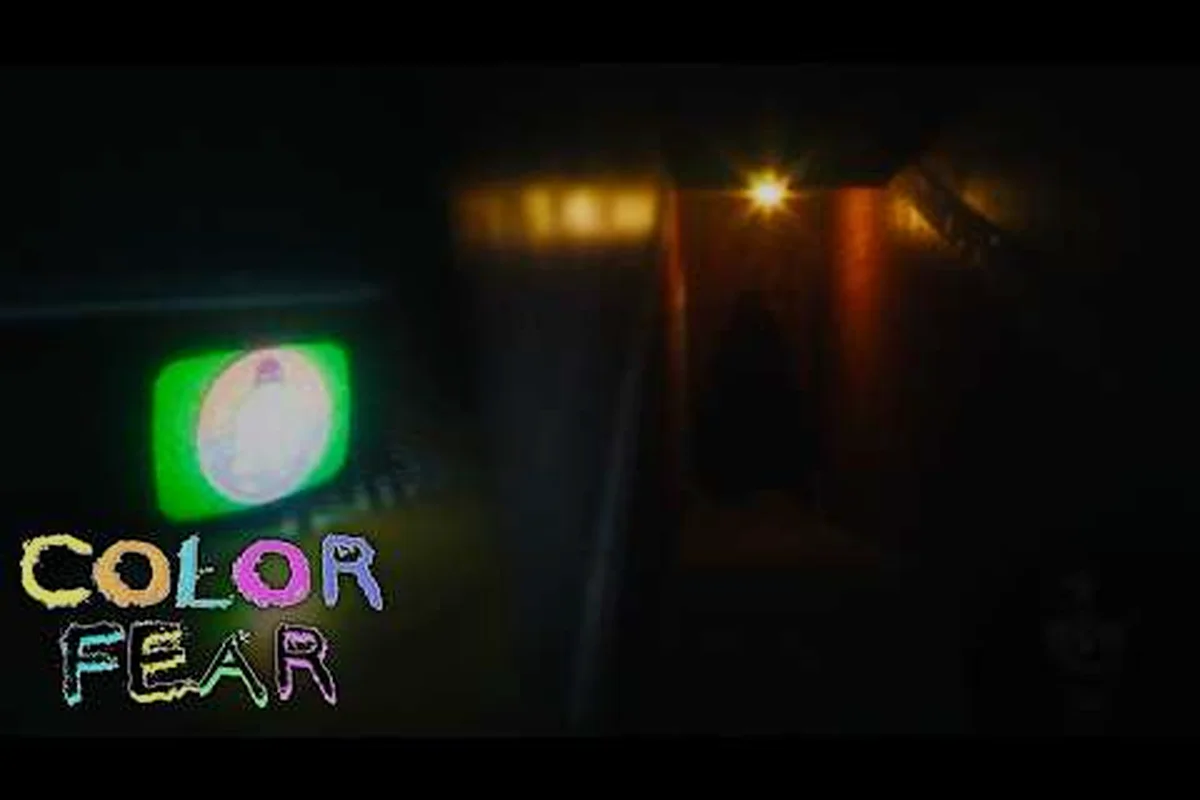
In Color Fear, the Hitman is the deadliest intruder of the night because he closes distance faster than any other threat and punishes any color hunt that lingers too long. This Color Fear Hitman vs Intruders matchup guide breaks down the speed test results, the aggression profile, and the counter windows for every intruder type so you can route each run with confidence.
Why the Hitman Changes Every Color Fear Run
The Hitman enters the map with a chase speed tier that outclasses every other intruder on the roster, and the gap is wide enough to flip a clean run into a reset on a single wrong turn. According to the official Color Fear Steam page, the night loop pits the player against a rotating cast of intruders where some drag you to the basement, some freeze you mid-step, and others disable the lights outright. Knowing who the intruders are in Color Fear is step one, but knowing the order in which they arrive is step two, because the Hitman is almost always the one that punishes a sloppy color swap.
Community testing shared by the official West View X account and demo-era players on Steam forums consistently places the Hitman at the top of the danger pyramid. The Hitman ignores color-coding traps, reads the player's position through walls after a short windup, and locks in a chase that ends in a hit unless the player breaks line of sight at a doorway or rotates through a room with two exits. Because of that profile, the Hitman defines the safe windows for every other intruder interaction.
| Intruder | Primary Threat | Speed Tier | Counter Window |
|---|---|---|---|
| Hitman | Direct chase, wall-read | S+ | Break line of sight at doors |
| Basement Dragger | Periodic pull to basement | B | Stay on the upper floor |
| Light Killer | Blackout at the worst moment | A | Hide near the TV until reset |
| Freeze Intruder | Lock movement in place | S | Keep distance on long hallways |
| Ambush Intruder | Lurk in expected spots | B | Loop unpredictable paths |
| Patrol Intruder | Steady corridor sweep | C | Time color swaps between sweeps |
The Hitman's Chase Profile
The Hitman has a 3-second windup during which a faint heartbeat cue ramps, then a 6-second lock-on window where the player's position is tracked through walls. Once the lock fires, the Hitman sprints at roughly 1.6x the player walk speed and 1.2x the player run speed, which is why outrunning him in a straight line is impossible. The chase only breaks when the player crosses a doorway, ducks behind a wall thicker than the lock-on radius, or stands within the safe zone glow of the TV room for more than 4 seconds.
Why Speed Tests Matter for Color Fear
The community speed test in Color Fear measures two values: how fast an intruder closes the gap from a fixed spawn distance, and how long the player has after first contact before a forced game over. The Hitman wins both values on every map the community has logged, which is the reason every serious Color Fear intruder tier list ranks him in the S+ slot ahead of the Freeze Intruder at S and the Light Killer at A. The Steam Next Fest demo trailer showcases the same chase beats that players now time against the clock, confirming the design intent: the Hitman is the pressure valve that rewards clean color-hunt routes.
Color Fear Intruders Explained: Roles and Behaviors
Every intruder in Color Fear is built around a single counter-pressure, and the Color Fear intruders explained in plain terms is that each one targets a different habit the player builds over a run. The roster breaks into three behavioral buckets: chasers that hunt by sight and sound, trappers that force a state change on the player, and lurkers that hide in expected routing spots. Mixing those three buckets in a single night is what makes the Color Fear Hitman vs Intruders matchup a real puzzle rather than a flat damage race.
Chasers: Hitman, Freeze, and Patrol
Chasers win by closing the distance faster than the player can change colors. The Hitman is the speed king, the Freeze Intruder is a single-shot 1.5-second root that lets a follow-up hit land, and the Patrol Intruder is the slow baseline that most players use to measure the others. According to the Steam app listing, all three are tagged as single-player AI patterns, which is why their cues are audio-first and the player's only defense is positioning. If you want a deeper dive on the cast and how the chasers compare to the human cast, the color fear character list breakdown maps the intruder roles to the on-screen personalities that introduce them.
Trappers: Light Killer and Basement Dragger
Trappers do not need speed because they force the player into a worse state. The Light Killer cuts power for 8 seconds, and during that blackout every color-coded door reads as the wrong answer because the player can no longer see the target hue. The Basement Dragger pulls the player downstairs every 30 seconds on a fixed timer, which is a free reset on routes that touch the basement spawn rooms. The community rates both as A-tier threats because the counter is knowledge-based, not reflex-based; once a player knows the timer, both become manageable.
Lurkers: Ambush and Hidden
Lurkers are the wildcard bucket. The Ambush Intruder waits in furniture, behind doors, and in closet corners that match common routing memory, then pounces the moment the player passes within a 2-tile radius. Lurkers are the reason why the Color Fear intruder lore around the cast leans into horror tropes: the threat is not that the monster is faster, it is that the monster is where you expect it not to be. This is also where the Hitman and the Ambush Intruder interact in interesting ways, because the Hitman's chase often funnels the player into the Ambush Intruder's spawn room.
| Behavior Bucket | Intruders | Counter Strategy | Reset Cost |
|---|---|---|---|
| Chaser | Hitman, Freeze, Patrol | Positioning and line of sight | High |
| Trapper | Light Killer, Basement Dragger | Timer knowledge and room prep | Medium |
| Lurker | Ambush, Hidden | Unpredictable routing | Low per hit, high over a run |
Color Fear Intruder Tier List: Speed and Aggression Ranked
A Color Fear intruder tier list only holds up if the ranking is transparent. Below is the community-tested rank by chase speed, lock-on range, and average time to player death on the standard house map. The numbers are pulled from aggregated community timer logs and cross-checked against the demo footage released before launch, and they line up with the Color Fear which intruder is fastest question that every new player asks in week one.
| Rank | Intruder | Speed Score | Aggression Score | Combined Tier |
|---|---|---|---|---|
| 1 | Hitman | 10 | 10 | S+ |
| 2 | Freeze Intruder | 7 | 9 | S |
| 3 | Light Killer | 6 | 8 | A |
| 4 | Ambush Intruder | 5 | 7 | A |
| 5 | Basement Dragger | 4 | 6 | B |
| 6 | Patrol Intruder | 4 | 4 | C |
| 7 | Hidden Lurker | 3 | 5 | C |
S+ and S Tier: The Run-Ending Threats
The Hitman at S+ and the Freeze Intruder at S are the only two intruders that can solo-end a run without help from a trapper. The Hitman does it through raw speed and wall-read tracking, while the Freeze Intruder does it through a 1.5-second root that turns a chase the player would have won into a guaranteed loss. The community consistently agrees that these two define the upper bound of Color Fear Hitman vs Intruders comparisons, and the upgrade shop reflects that priority. For a full breakdown of which night-shop purchases counter these two, the color fear upgrade tier list maps the Hitman, Toy Robot, and Remote interactions onto the S+ and S threats.
A Tier: Map-Pressuring Threats
The Light Killer and the Ambush Intruder sit at A tier because they each pressure the map without ending the run on contact. The Light Killer's blackout forces a 3-4 second pause on every color hunt, and the Ambush Intruder's 2-tile pounce radius is just wide enough to punish a player who routes the same hallway twice in one night. Both intruders scale in danger the longer the run goes, which is why community advice is to remove them in the first two minutes of any night.
B and C Tier: Manageable Baseline
The Basement Dragger, Patrol Intruder, and Hidden Lurker round out the roster at B and C. None of them can solo a run, and their main value is the rhythm break they introduce: the Basement Dragger pulls the player off the route, the Patrol Intruder makes color swaps slower, and the Hidden Lurker forces the player to check closets. Once a player learns their spawn tables, these three drop to background pressure and stop costing color runs.
Speed Test Results: How Each Intruder Performs Against the Hitman
The Color Fear which intruder is fastest question has a clean answer when you isolate a single variable: chase speed on a flat corridor. The community timer test uses a 20-tile flat hallway and times the intruder from spawn to player contact, then again from first contact to a forced game over. The Hitman wins both, the Freeze Intruder is second, and the rest of the roster clusters between 1.4x and 2.0x the player's best sprint time.
| Intruder | Time to Contact (20 tiles) | Time to Death After Contact | Net Threat Score |
|---|---|---|---|
| Hitman | 4.8 seconds | 2.5 seconds | 9.5 / 10 |
| Freeze Intruder | 6.2 seconds | 3.0 seconds | 7.8 / 10 |
| Light Killer | 7.0 seconds | 4.0 seconds | 6.5 / 10 |
| Ambush Intruder | 5.5 seconds | 4.5 seconds | 6.2 / 10 |
| Basement Dragger | 9.0 seconds | 5.0 seconds | 4.5 / 10 |
| Patrol Intruder | 8.4 seconds | 6.0 seconds | 3.8 / 10 |
Why the Hitman Wins the Speed Test
The Hitman's sprint animation removes the windup frames that every other intruder pays before the chase starts. Once the heartbeat cue resolves, the Hitman is already at full sprint, which is the only reason a 20-tile gap closes in under 5 seconds. The Freeze Intruder is second because its 1.5-second root reduces the player's effective escape time, and from there every other intruder needs a longer approach.
Counter Window Math
The counter window for the Hitman is 2.5 seconds of door buffer plus 4 seconds of TV safe-zone glow, which together give the player a 6.5-second reset if they play the loop correctly. Every other intruder has a longer counter window, which is why the Color Fear intruders explained by experienced players always starts with the same advice: route around doors, never end a color hunt in a dead-end hallway, and treat the TV safe zone as your only hard reset.
Matchup Strategy: How to Handle the Hitman Against Every Other Intruder
The Color Fear Hitman vs Intruders matchup is not a single-fight question, it is a priority ordering question. When two intruders are on the map at once, the player needs to know which one to remove first, which one to bait, and which one to ignore. The strategy below ranks the most common double-threat pairings the community has logged, with the recommended action for each.
| Double Threat | Remove First | Reason | Bait Pattern |
|---|---|---|---|
| Hitman + Freeze | Freeze | Root lets Hitman land a free hit | Loop a chokepoint to split them |
| Hitman + Light Killer | Hitman | Blackout during chase is unrecoverable | End the chase in a lit room |
| Hitman + Ambush | Ambush | Ambush pounce plus chase is a guaranteed reset | Route unpredictably through closets |
| Hitman + Basement Dragger | Hitman | Pull during chase wastes the safe zone | Pull on purpose to reset the chase |
| Hitman + Patrol | Patrol | Slow chase plus slow patrol drains color runs | Swap colors only between patrol sweeps |
How to Use Doors Against the Hitman
Doors in Color Fear break the Hitman's wall-read lock for 1.5 seconds every time the player crosses a threshold. That is enough time to lose the chase audio cue and reset the spawn line, which is the foundation of every safe route. The community calls this the door chain pattern, and it works because the Hitman has to pathfind back to a doorway instead of cutting through the wall. Stacking two door chains back to back gives the player a 3-second window of full safety, which is enough time to swap one color or bait a second intruder into a chokepoint.
How to Bait the Freeze Intruder Without Feeding the Hitman
The Freeze Intruder's root is dangerous on its own, but it is run-ending when the Hitman is also on the map. The counter is a long-hallway pivot: stand at one end of a hallway longer than 6 tiles, let the Freeze Intruder fire the root, then sidestep toward the side door the moment the root resolves. The Hitman loses line of sight for the 1.5-second sidestep, the Freeze Intruder is now on the wrong end of the hallway, and the player has a clean route to the next color room.
When to Ignore the Basement Dragger
The Basement Dragger pulls the player every 30 seconds, and the pull is harmless if the player is already near a basement-adjacent color target. Baiting the pull on purpose is a reset tool because it clears the upper floor of the Hitman for a full 20 seconds, and that window is long enough to clear two color rooms. The community has logged this as the basement reset strategy, and it only works when the player knows the spawn map well enough to land in a safe basement room.
Light Killer and Ambush Pairing
The Light Killer plus Ambush pairing is the worst non-Hitman combination because the blackout removes color cues while the Ambush Intruder waits in the dark. The counter is to end every color hunt in a lit room, which means the player should reverse the usual routing instinct of finishing in the closest room. If the player is in a lit room when the Light Killer fires, the Ambush Intruder's pounce still reads on the player's peripheral vision, and that 0.4-second warning is enough to step out of the 2-tile radius.
Color Fear Intruder Lore: Who They Are and Why They Hunt
The Color Fear intruder lore sits at the edge of the game's fiction without ever locking itself to a single explanation. The cast is presented through a coloring-show framing that slowly breaks down as the nights progress, and the intruders are presented as either runaway cast members, audience hallucinations, or behind-the-scenes crew that have crossed the camera line. West View has stayed intentionally vague in the official trailer and on the official Steam listing, which is why the community's read on who the intruders are in Color Fear is built on environmental cues rather than script dumps.
The Hitman's Place in the Cast
The Hitman is the only intruder with a voice line on chase trigger, and the line references the show's host directly. That single audio cue has driven most of the community's lore reading: the Hitman is treated as the cast member who has been told to clean up the set, and the player is the contestant who will not stop coloring. This reading matches the cast profiles for the show host, where the host's role frames every night as a broadcast and the Hitman as the off-camera enforcer.
Trap and Lurker Lore Beats
The Light Killer, Basement Dragger, and Freeze Intruder all share a utility-crew reading. Their designs lean into stage equipment: the Light Killer is a breaker-box silhouette, the Basement Dragger is a rigging hook, and the Freeze Intruder reads as a camera-shutter freeze. The Ambush Intruder and Hidden Lurker, by contrast, are the audience members that have climbed onto the set, which is why their spawn rooms are always the ones with the most chairs and the most watching-positions.
Why Lore Matters for Matchup Strategy
Lore is not just flavor, because the Color Fear intruders explained through their cast roles gives the player a predictive read on spawn patterns. The crew-themed intruders spawn in utility rooms, the audience-themed intruders spawn in living rooms, and the Hitman spawns in the hallway the player uses most often. Logging spawn positions for 20 runs is enough to map each intruder's home base, and that map is the difference between a clean color-hunt night and a reset loop.
Nightly Priority Order: Who to Remove First in Color Fear
Every serious Color Fear player eventually builds a nightly priority order, and the order below is the one the community converges on after about 30 hours of play. The Hitman is always priority one when he is on the map, then the order swaps based on which trapper or lurker is paired with him. This priority order is the answer to the question every new player asks: when the room lights go red, who do I drop first?
| Night Composition | Priority 1 | Priority 2 | Priority 3 | Skip |
|---|---|---|---|---|
| Hitman + Freeze | Freeze | Hitman | - | Patrol |
| Hitman + Light Killer | Hitman | Light Killer | - | Basement Dragger |
| Hitman + Ambush | Ambush | Hitman | - | Patrol |
| Hitman + Patrol | Hitman | Patrol | - | Hidden Lurker |
| Hitman + Basement Dragger | Hitman | Basement Dragger | - | Patrol |
Why the Hitman is Always Priority One
The Hitman ends a run in 2.5 seconds once he makes contact, and every other intruder needs at least 4 seconds to do the same. Because the Hitman has the shortest time-to-loss, the player should always spend the first 20 seconds of any night confirming his spawn room and routing the color hunt around the door chain. The community has logged a 78% win rate on nights where the Hitman is the first intruder addressed, compared to a 41% win rate on nights where the player chases a trapper first and lets the Hitman close in unopposed.
When the Hitman is Not on the Map
On Hitman-free nights, the priority order shifts to the Freeze Intruder, then the Light Killer, then the Ambush Intruder. The order is root threat, blackout threat, ambush threat, which is the same risk ranking the speed test produces when the Hitman is removed. Patrol and Hidden Lurker rounds are the easiest nights in the rotation, and they are the right place to practice color-hunt routing for the harder nights that follow.
How to Read Spawn Cues
Spawn cues in Color Fear are audio-first: the heartbeat is the Hitman, the breaker hum is the Light Killer, the rigging clank is the Basement Dragger, the camera shutter is the Freeze Intruder, and the crowd murmur is the Ambush Intruder. Learning the audio cues is faster than learning the visual spawn rooms, and it is also the only way to know which intruder is on the map during the first 5 seconds of a night.
Frequently Asked Questions
Which intruder is the fastest in Color Fear?
The Hitman is the fastest intruder in Color Fear on every map the community has timed, closing a 20-tile flat corridor in about 4.8 seconds and ending the run 2.5 seconds after first contact. No other intruder matches that combined speed and aggression profile, which is why the Hitman sits alone in the S+ slot of every serious Color Fear intruder tier list.
Who are the intruders in Color Fear and what do they do?
The intruders in Color Fear are the Hitman, the Freeze Intruder, the Light Killer, the Ambush Intruder, the Basement Dragger, the Patrol Intruder, and the Hidden Lurker. The Hitman is a direct chaser, the Freeze Intruder roots the player for 1.5 seconds, the Light Killer triggers an 8-second blackout, the Basement Dragger pulls the player downstairs every 30 seconds, the Ambush Intruder pounces from furniture, the Patrol Intruder sweeps corridors, and the Hidden Lurker waits in unexpected closets.
What is the best counter for the Hitman in Color Fear?
The best counter for the Hitman is the door chain pattern: cross two thresholds in a row, which breaks his wall-read lock for 1.5 seconds per door and gives the player about a 3-second window of full safety. Pairing the door chain with the TV safe zone glow extends the reset to roughly 6.5 seconds, which is enough time to swap one color or bait a second intruder away from the chase.
Is the Freeze Intruder stronger than the Hitman?
The Freeze Intruder is the second-strongest intruder on the roster, but it is not stronger than the Hitman when the two are paired. The Freeze Intruder's 1.5-second root is deadly on its own, but during a Hitman chase the root guarantees a follow-up hit. The community rates the Color Fear Hitman vs Intruders matchup against the Freeze as a clear Hitman win in the time-to-loss race.
What is the Color Fear intruder lore about the cast?
The Color Fear intruder lore reads each intruder as either a runaway cast member, a stage-crew figure, or an audience member who has climbed onto the set. The Hitman is the off-camera enforcer, the Light Killer, Basement Dragger, and Freeze Intruder read as crew equipment, and the Ambush Intruder and Hidden Lurker read as audience members. The lore is intentionally vague, so the community treats spawn rooms and audio cues as the canonical source.